
About Us — Canada Team

Dr. Fikile Nxumalo
Dr. Nxumalo (Principal Investigator) is an Associate Professor in the Department of Curriculum, Teaching & Learning at the Ontario Institute for Studies in Education, University of Toronto, where she directs the Childhood Place Pedagogy Lab. She is also Professor Extraordinarius at UNISA’s Institute for Social and Health Sciences. Her work seeks to expand possibilities for anticolonial environmental and climate change education research and practice.

Dr. YanPing Li
(Co-Applicant, Associate Professor, Canada Research Chair in Climate Change Risk and Resilience, Western University) researches climate change, employing a coupled cryosphere-land surface-climate modeling system. Her research employs a modeling tool that is instrumental in comprehending how the coupled Earth system responds to climate variations, providing crucial insights to inform decision-making processes and address sustainability and resilience concerns.
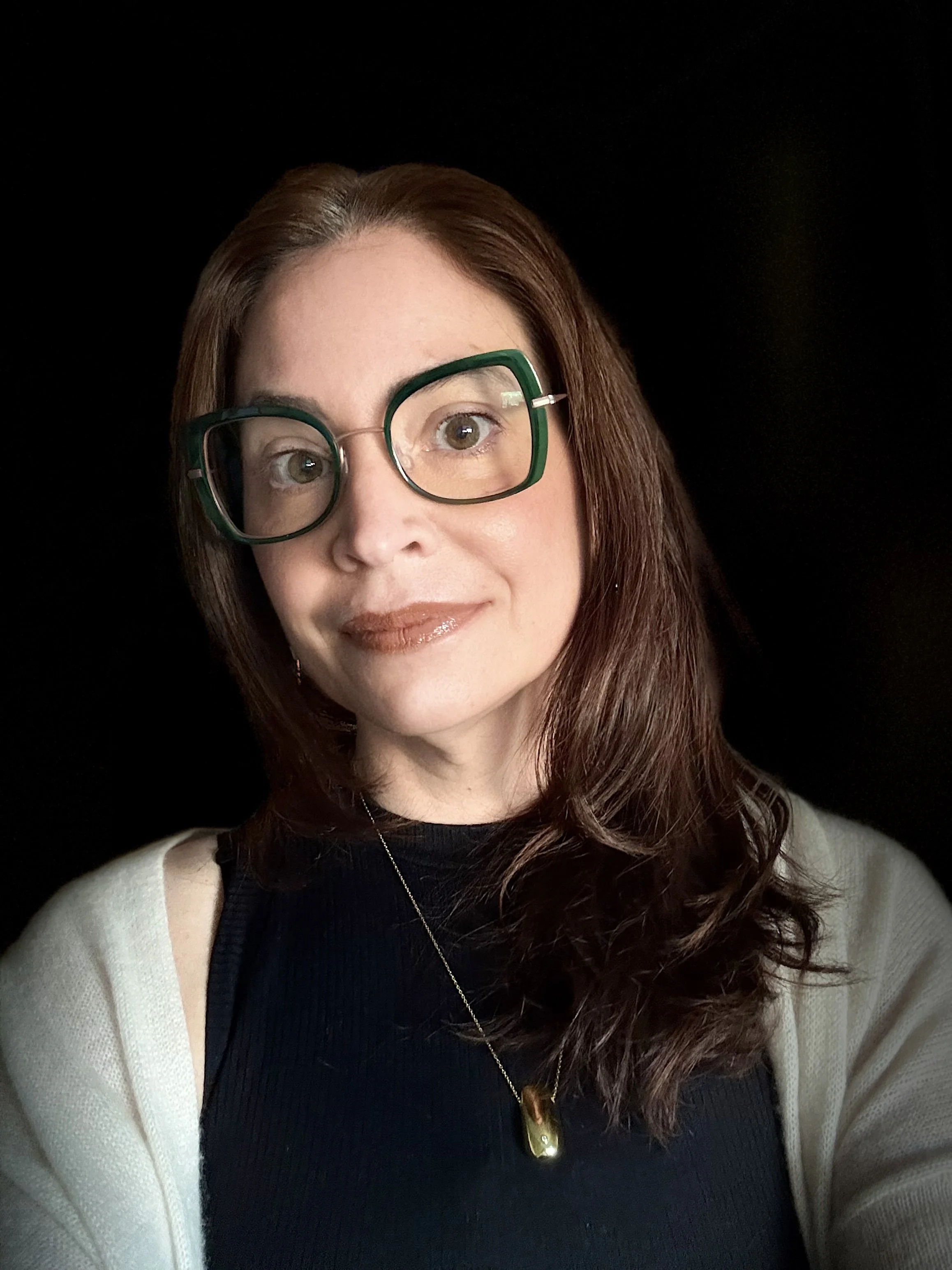
Adrianne Bacelar de Castro
Adrianne Bacelar de Castro, (She/her) Postdoctoral Researcher, works across Brazil and Canada. Informed by common worlds pedagogies and Black and Indigenous studies, her work centers relational, anticolonial, and anti-racist approaches to early childhood education. Her doctoral research in Brazil attended to children’s entangled relations with place in the context of the Anthropocene.
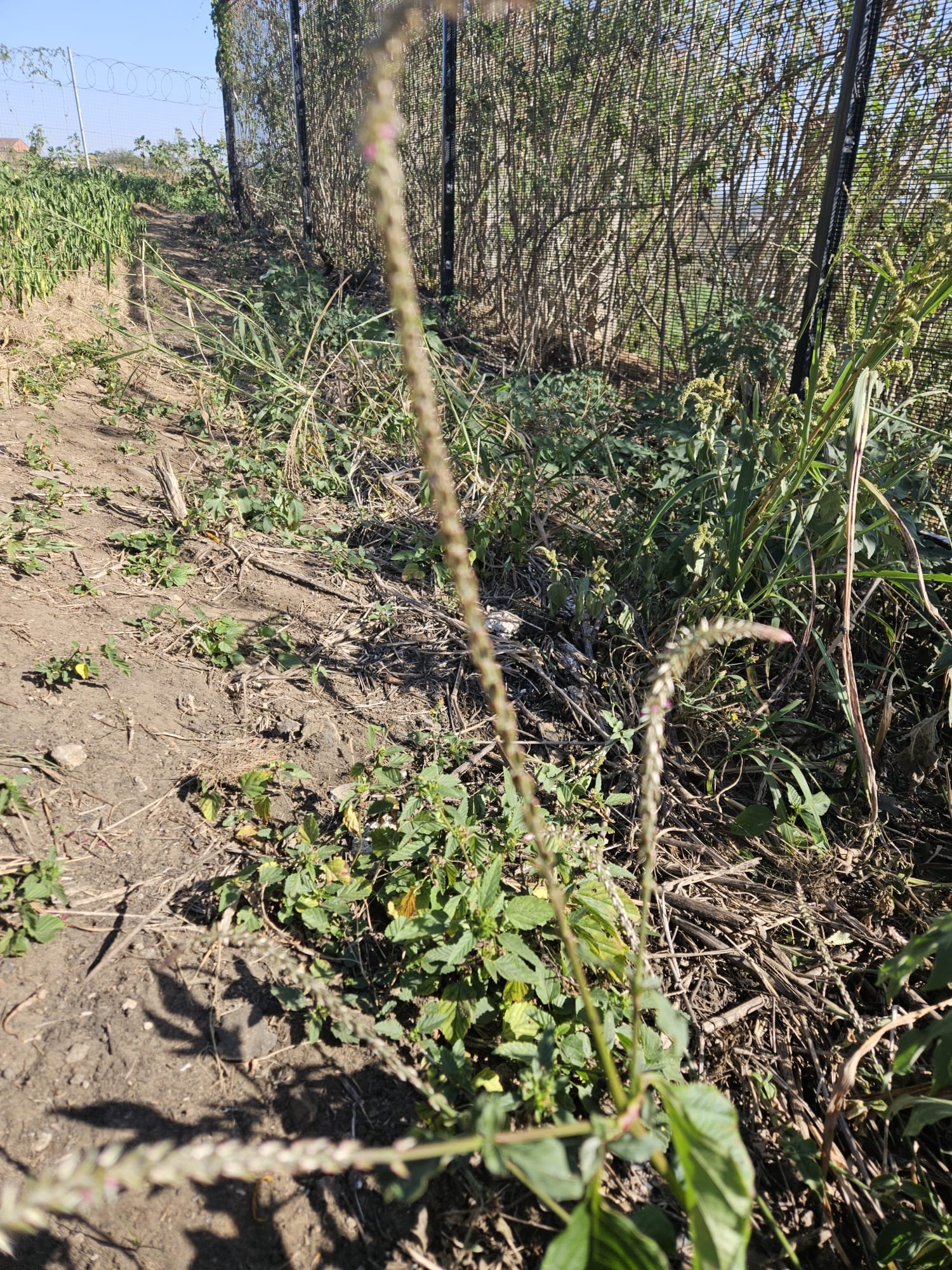
Research Assistants

Nisha Toomey (she/her)
Project Coordinator
Nisha Toomey holds a PhD in Social Justice Education from the University of Toronto. Her research examines the links between settler colonialism, racial capitalism and land theft in the context of travel, migration, and humanitarianism and international aid work.

Megan Femi-Cole (she/her)
Megan Femi-Cole is an interdisciplinary scholar whose research practice is grounded in the wisdom and inherent multiplicity of black communities. Her work addresses transatlantic slavery and colonization as world altering forces that intertwine migration, blackness and placemaking. A PHD candidate at the University of Toronto (OISE), she is also deeply invested in understanding the creative ways black people (s) learn to nurture connection, and honour difference within and across distinct geographies. Prior to doctoral studies, Femi-Cole was a Youth Worker and Employment Counselor. She grew up in Freetown, Sierra Leone and North York, Ontario Canada.

Codi Carelse (he/him)
Codi is a schoolteacher and community member on the Cape Flats in South Africa. His work is rooted in story, relation, and land as essential to the ways we learn and live to together. He is also an intergenerational farmer, learning from all beings and the changing seasons.

Grace Garlow
Grace Garlow is an interdisciplinary education scholar and PhD candidate in Social Justice Education at the University of Toronto. Her work examines disposability as a material pedagogy through which racialized relations of value, care, and memory are learned and negotiated. Working with textiles and everyday materials, she explores making as a mode of knowing and material encounters as openings for anticolonial education.

JP Craig (they/them)
Graduate Assistant
JP Craig (Louisiana Creole) is a PhD Candidate in Social Justice Education at the University of Toronto. Their collaborative, participatory research thinks alongside youth and Black and Indigenous communities to make meaning of climate change, more-than-human relationalities, and climate justice. Their work contributes to community-led frameworks for climate change education and policy.
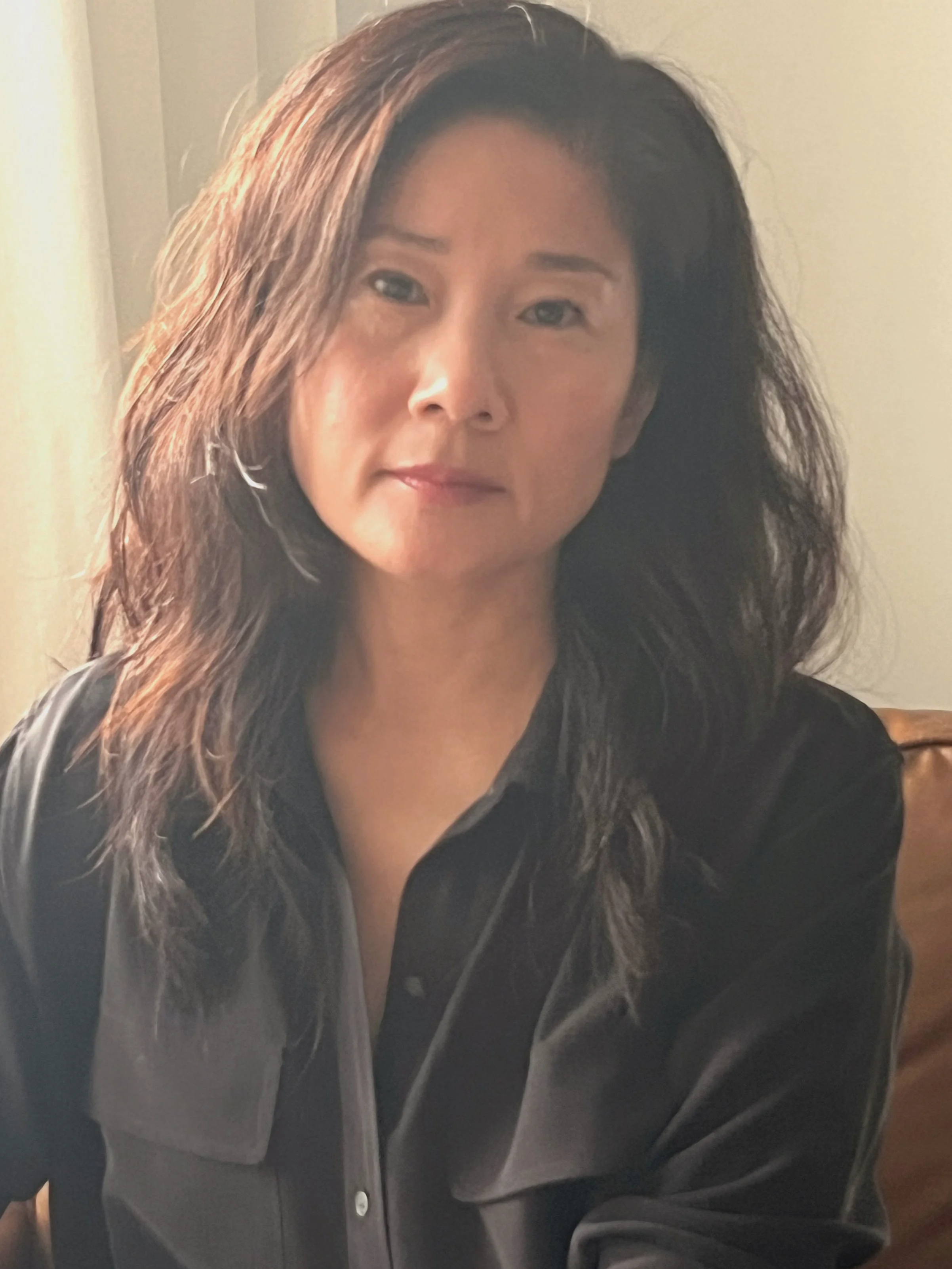
Angie Oulton
Angie Oulton is a PhD student studying Curriculum and Pedagogy at the University of Toronto’s Ontario Institute of Studies in Education. She is a Registered Early Childhood Educator and an Ontario Certified Teacher. Her research interests sit at the intersections of early childhood with social and environmental justice, and climate change education. She is particularly interested in the pedagogical and curricular potential of school gardens in fostering children’s situated, relational, and reciprocal relations with place.
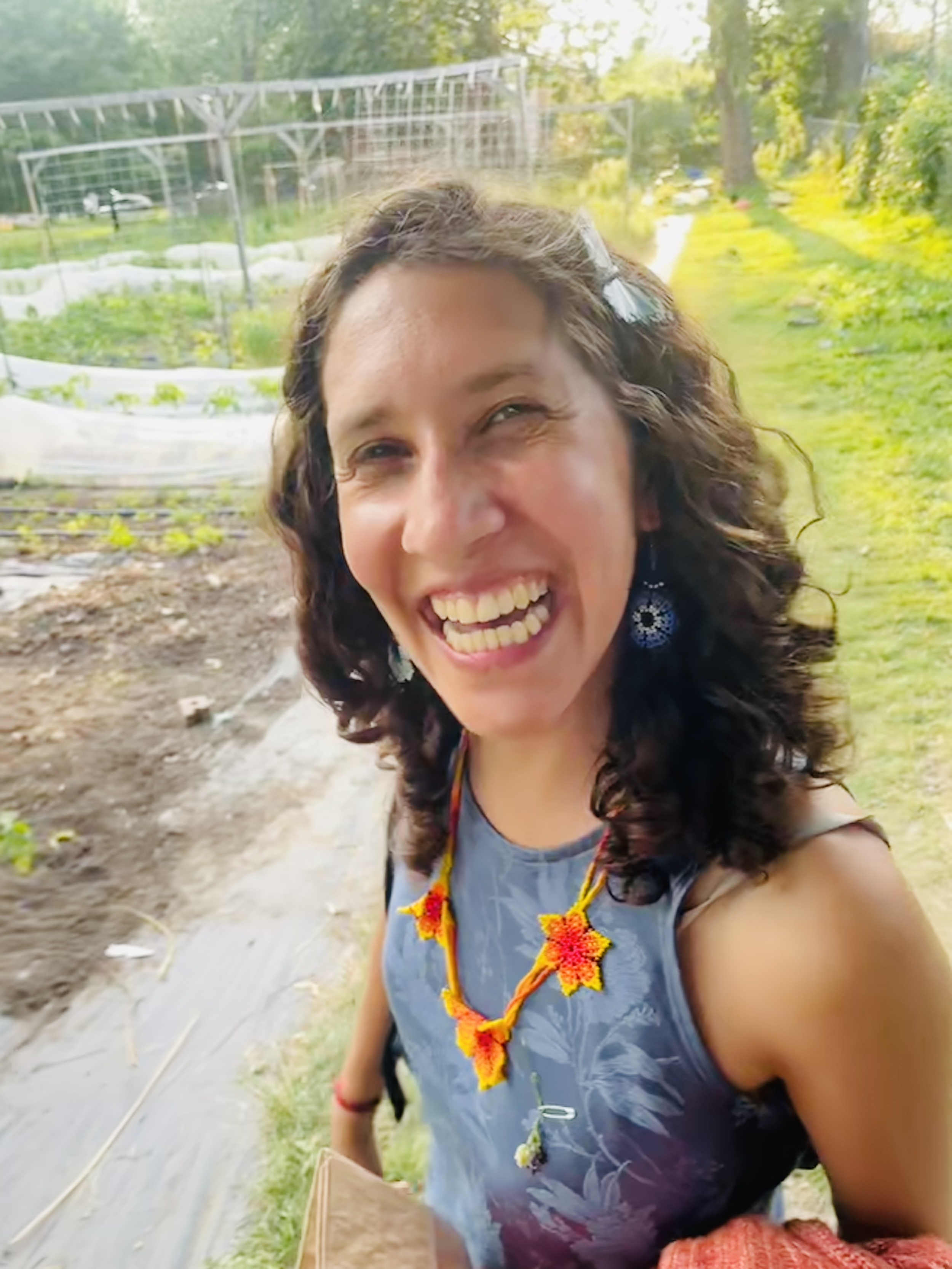
Juliana Rodriguez
Juliana Rodriguez is a master’s student in Social Justice Education at the University of Toronto. Originally from Colombia (Abya Yala) and living for the past years in Tiohtià:ke, so-called Montreal. She saw the need to connect her Latinx roots to mobilize around building communities that center land´s needs in educational settings. Her research interests lie at the intersection between community art-based practices and land-based education, centering the need for artistic practices that transform education systems towards a different relationship with land.
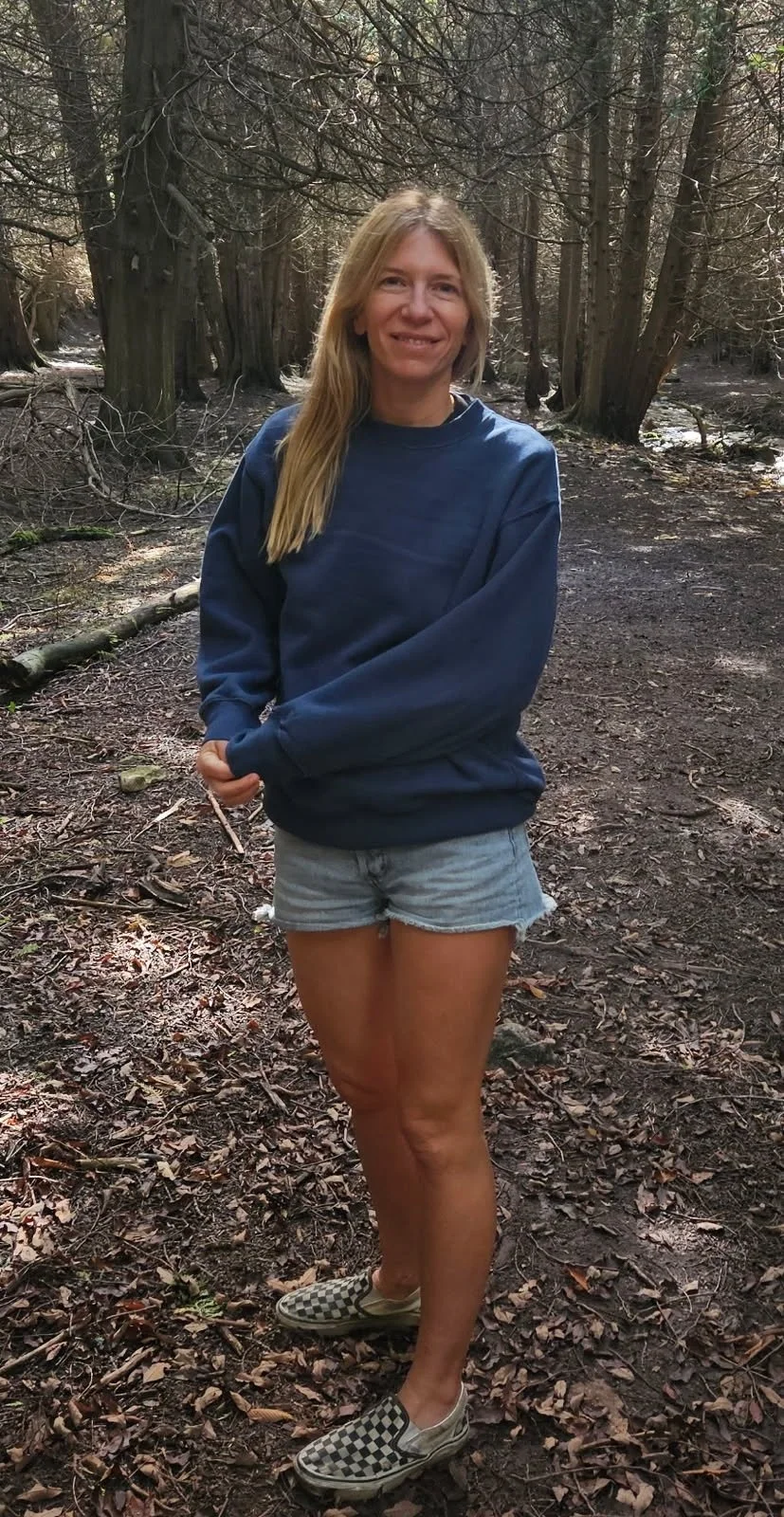
Liza Jinman
Liza is a teacher and a doctoral candidate in Social Justice Education at the Ontario Institute for Studies in Education (OISE) in Toronto. She’s passionate about exploring how place-based, outdoor learning can support resistance and community change in her hometown of Jackson, Mississippi, and the broader Mississippi Delta. Her work is grounded in story, place, and community.